1. Pictorial Language
Your works combine natural elements and dreamlike atmospheres. How would you describe your pictorial style?
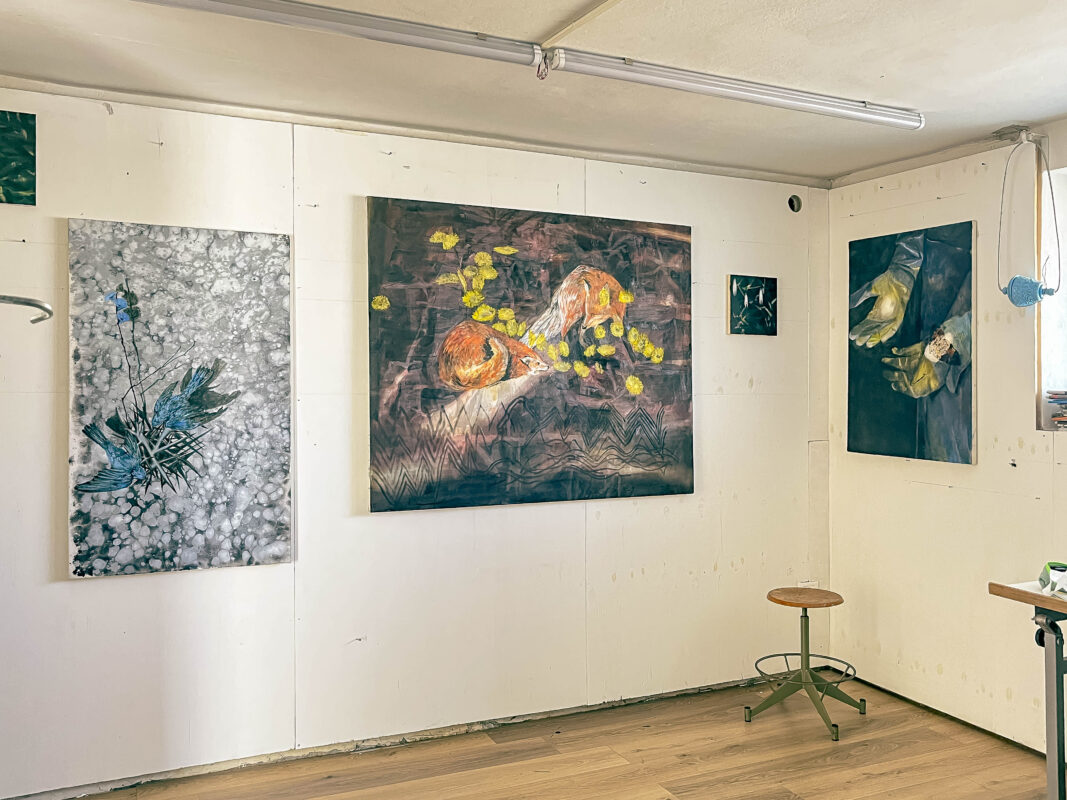
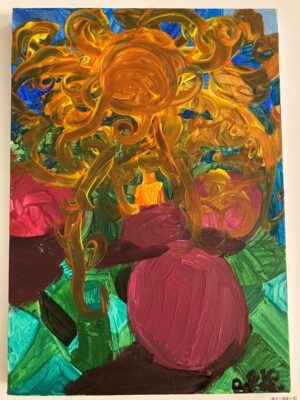
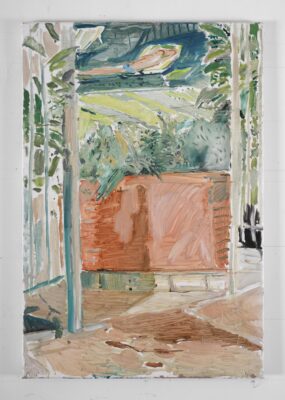
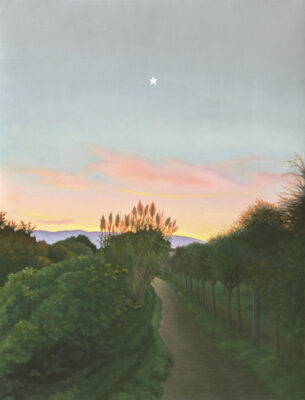
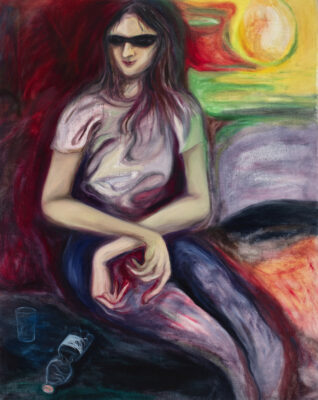
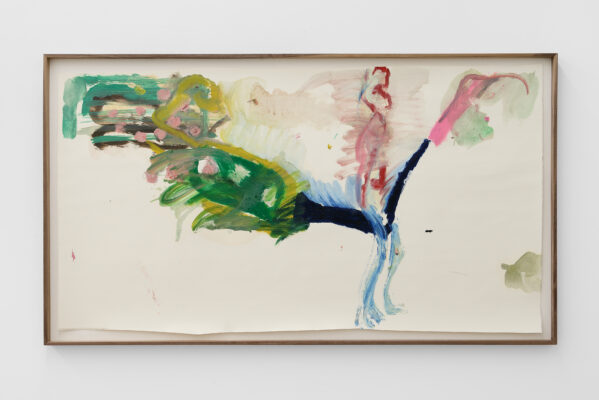
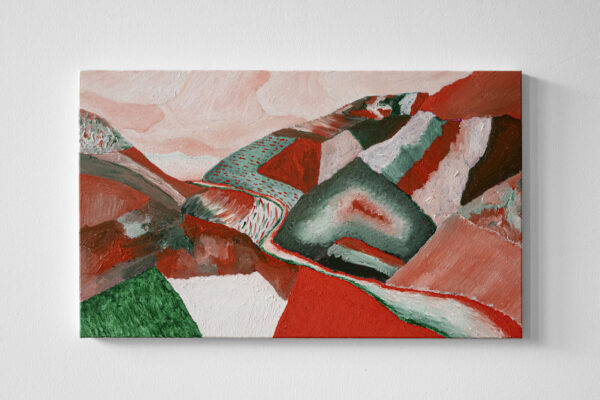
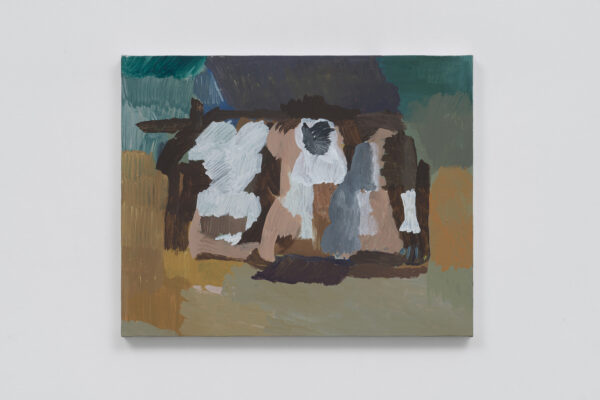
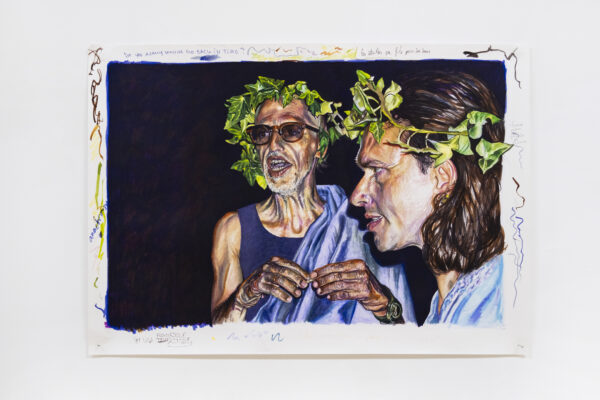
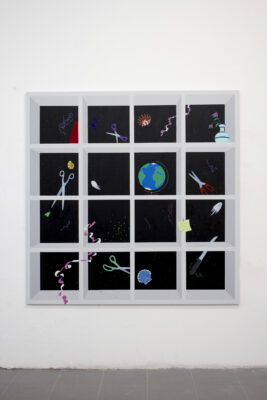
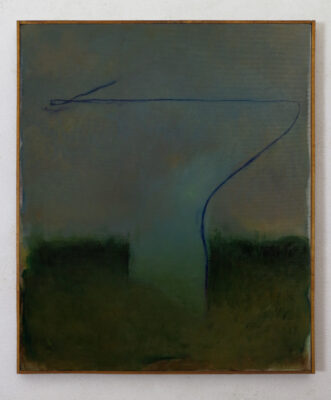
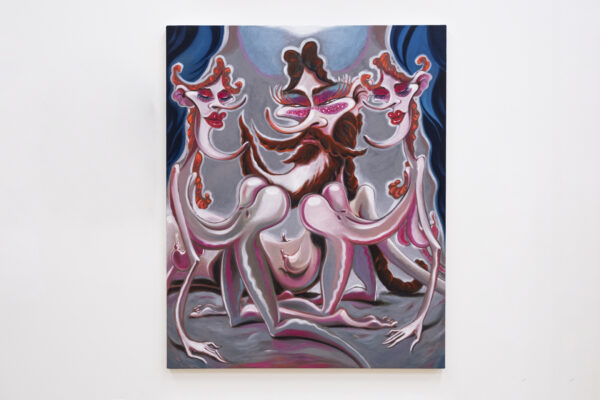
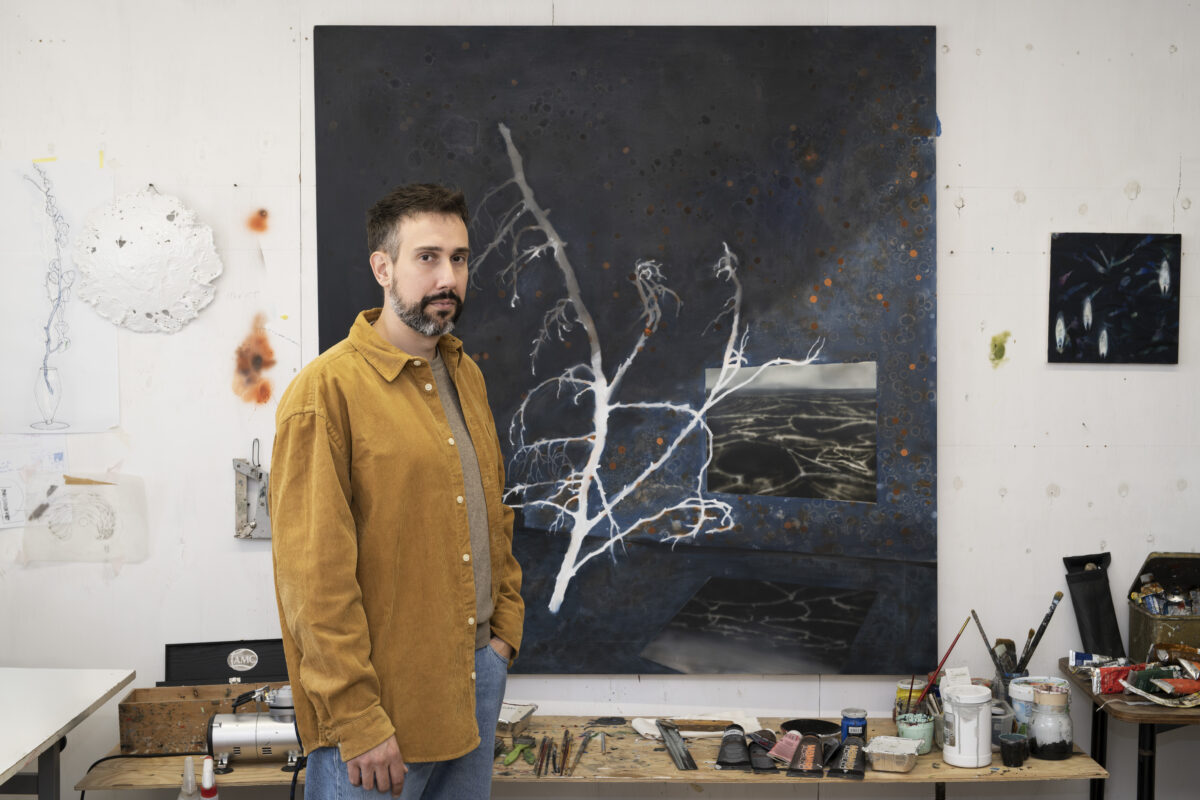
I’m not entirely sure how to describe my style, except perhaps as a kind of oneiric realism, even if it doesn’t truly derive from visions coming from dreams or the unconscious. They are rather images born from visual and conceptual connections coming from often very different contexts, which merge to suggest a new story within the painting.
2. Materials and Experimentation
In your solo exhibition Casabase, you used unconventional materials such as drywall, leather, wood, and ceramics. Are you still exploring new approaches, or are you now focusing on painting?
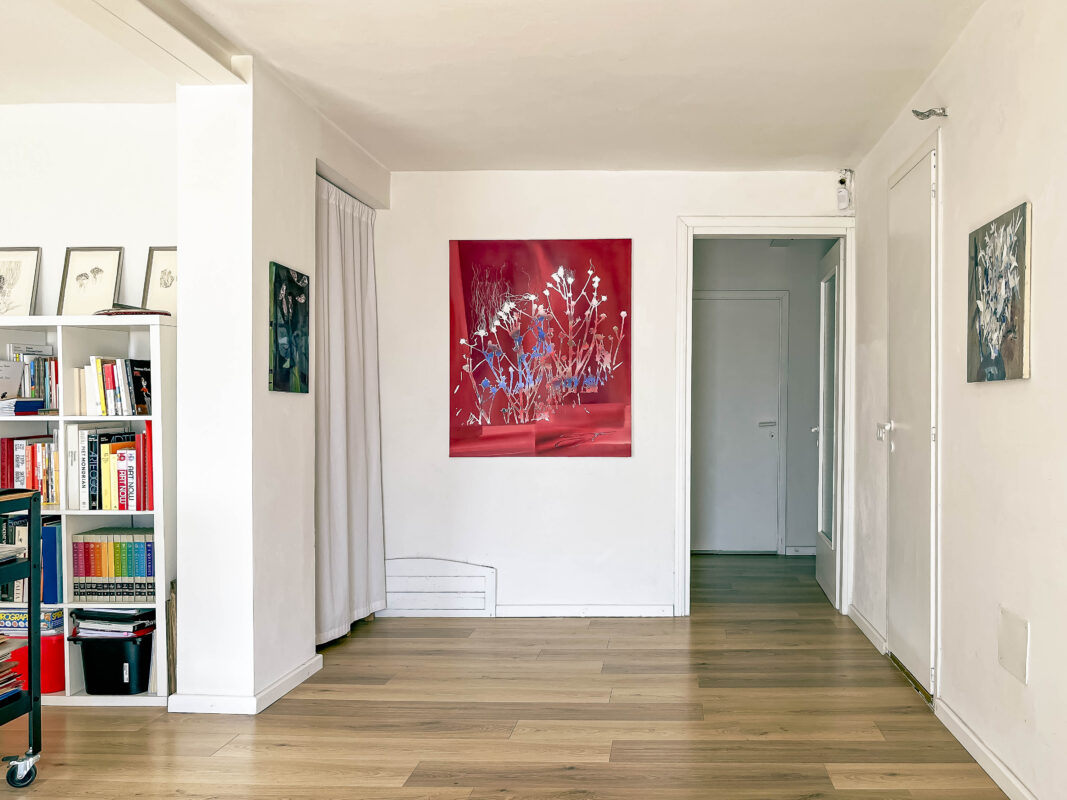
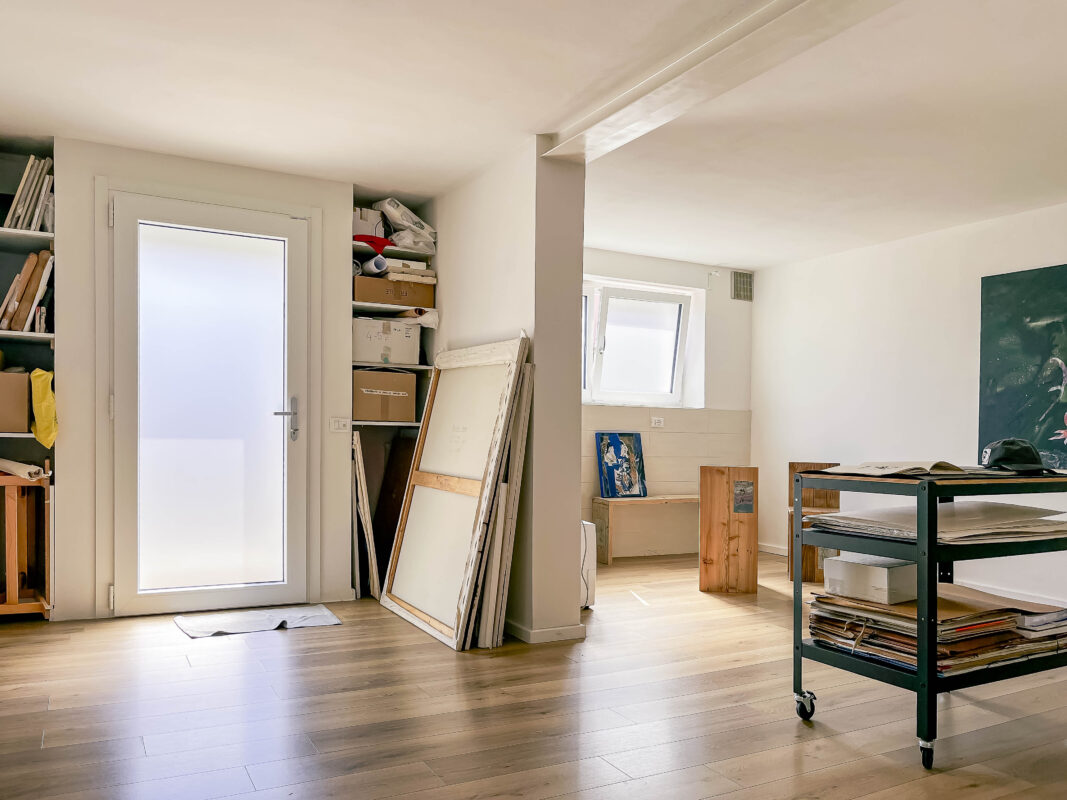
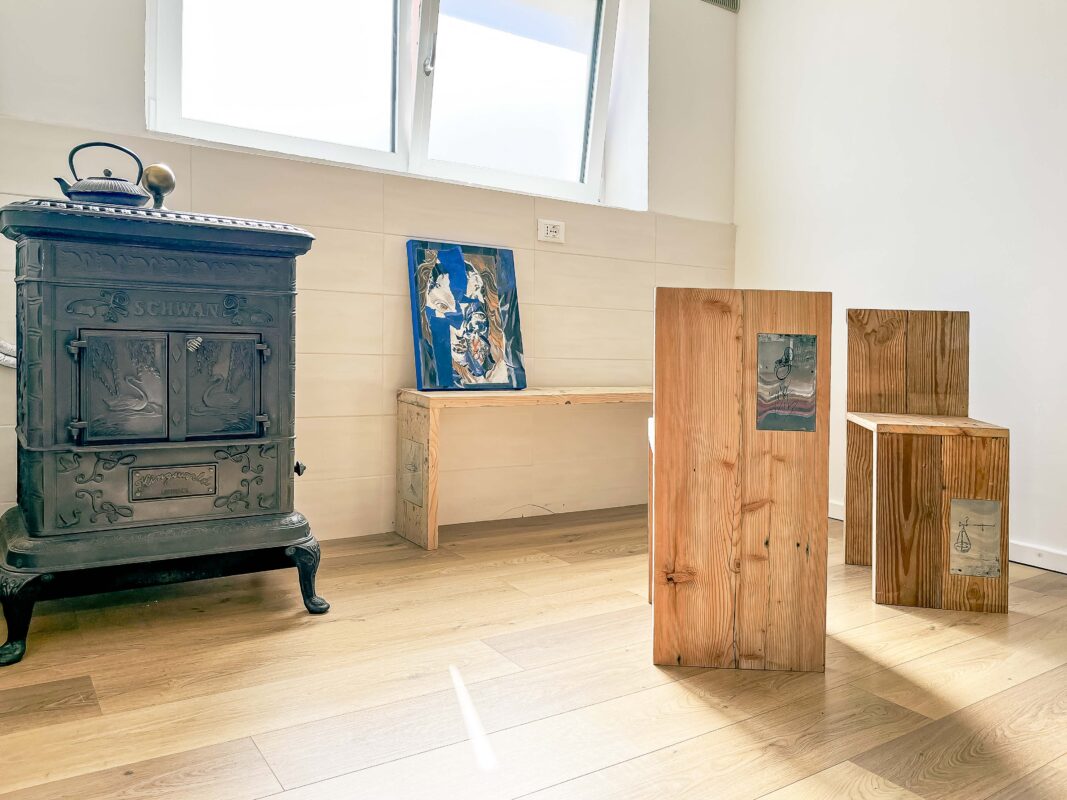
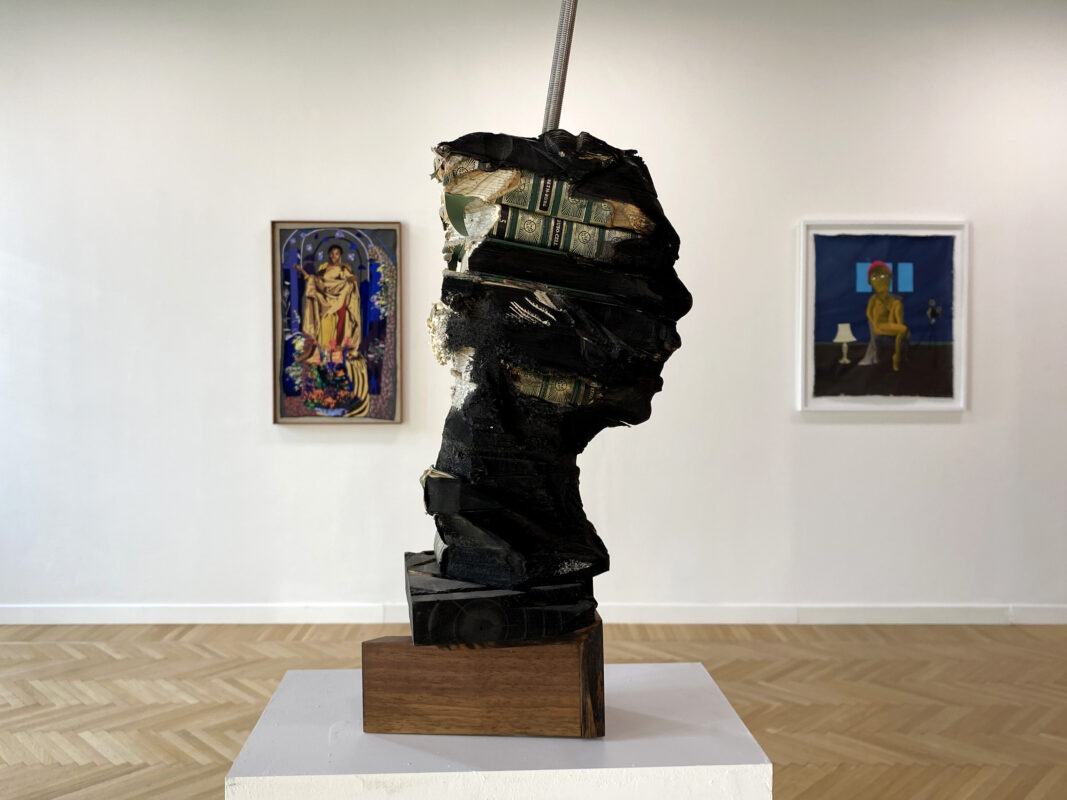
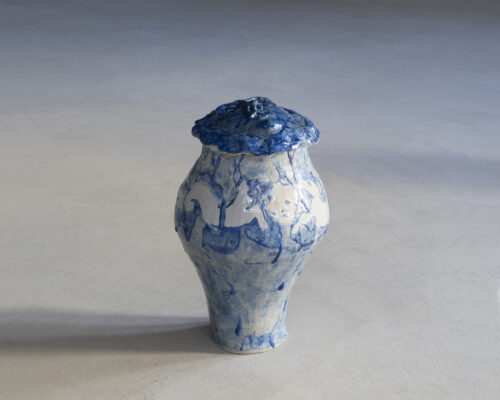
The materials I explored to build Casabase have not completely disappeared from my pictorial research; on the contrary, they were an important driving force for the works that followed. The painting present in that phase is now even richer in layers and stories, even though the support is canvas. Much of the narrative in Casabase was generated by the supports themselves, and that cycle of works had an important meaning related to the period and the context that inspired them—namely, the years after returning from Venice and reorganizing the home-studio where I live with my wife and daughter. At the moment, it wouldn’t make sense, from my point of view, to go back to working with materials typical of the construction world; therefore, all the narrative now takes place on classical supports, namely canvas and paper.
3. Creative Process
You work on multiple canvases at the same time, allowing unexpected images to emerge. How do these spontaneous moments influence your art?
I generally work on several paintings at the same time for practical reasons, related to drying times, but also to avoid losing the intuitions that arise during the creation of the work. Usually, I don’t plan the painting in detail, because I like to follow the intuitions that emerge as the work takes shape. Sometimes these intuitions come suddenly; other times, the images result from very clear connections in my mind that I can see well before the work becomes formalized.
4. Arte Fiera Bologna 2025
For Arte Fiera Bologna 2025, you presented new unpublished works in the Pittura XXI section curated by Davide Ferri. What do these works represent for you, and what direction are you pursuing?
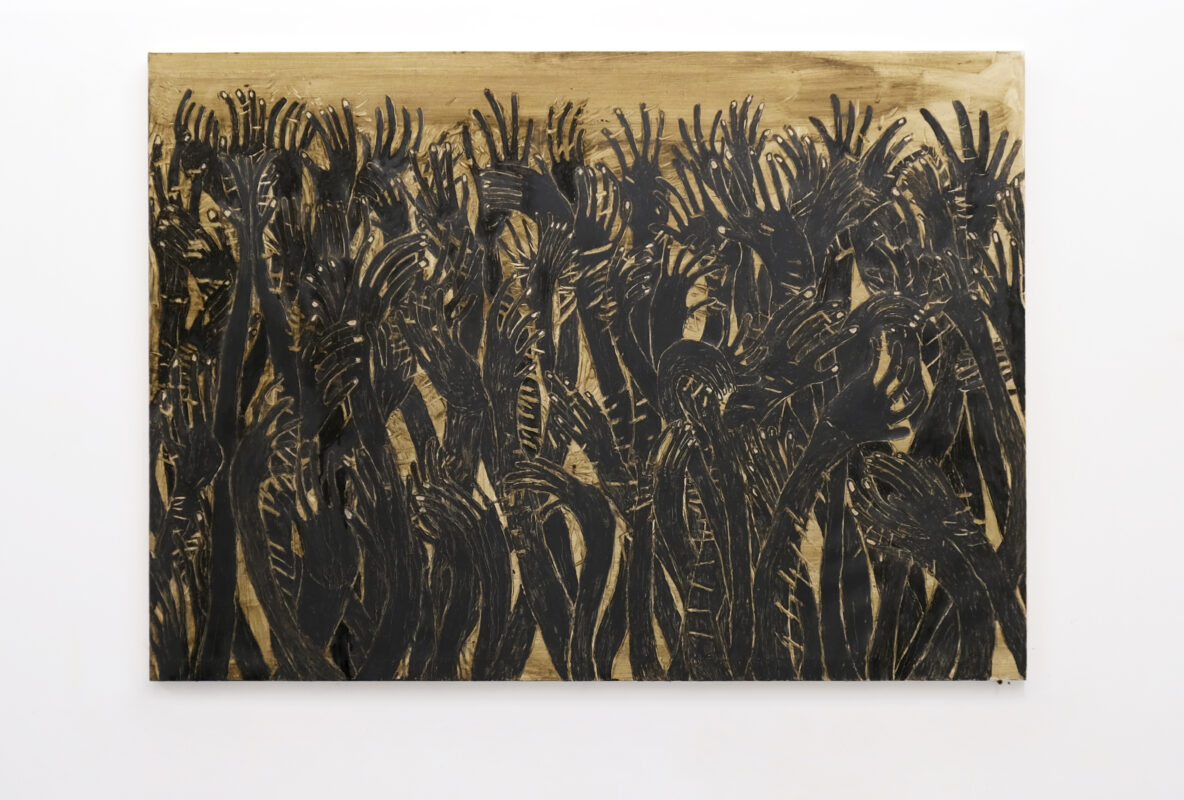
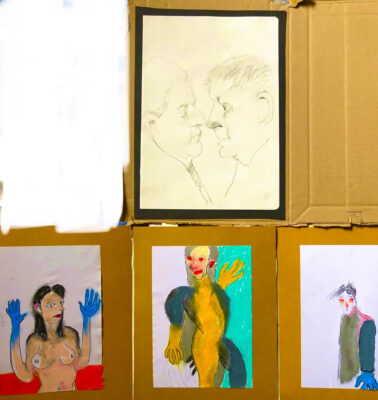
The exhibition I presented for Pittura XXI during Arte Fiera Bologna 2025 was a turning point in my artistic research. The display worked thanks to an internal dialogue within the individual pieces and to a choral dialogue among all the works. They are works that look into the subtle folds of everyday reality, showing fleeting or very small elements that our eye tends to forget. Hence the title La coda dell’occhio (The Corner of the Eye), that lateral vision that remains imprinted in the mind and settles over time. It is something we catch out of the corner of our eye and that resurfaces when the time is right.
5. Identity and Landscape
Piovene Rocchette (VI), your hometown, is a place rich in history and traditions. How do the Veneto landscape and its culture influence your artistic research?
The landscape of the Venetian Prealps, in particular, represented the starting point of all my pictorial research, which began more than 15 years ago. The places where I grew up and later returned to live permanently are a cornerstone, steeped in history, legends, and traditions. I like to draw from this heritage and delve into it, often being surprised by the depth that a saying, a dialect expression, or a local belief can convey. Exploring everyday reality, enriched by the ancient cultural heritage of these areas, is an investigation I pursue through drawing, painting, and installation, as in the work I detti, the central piece in Casabase.