- The Minus Sign
The minus sign is central to your research. What led you to choose it and what meaning does it have in your work?
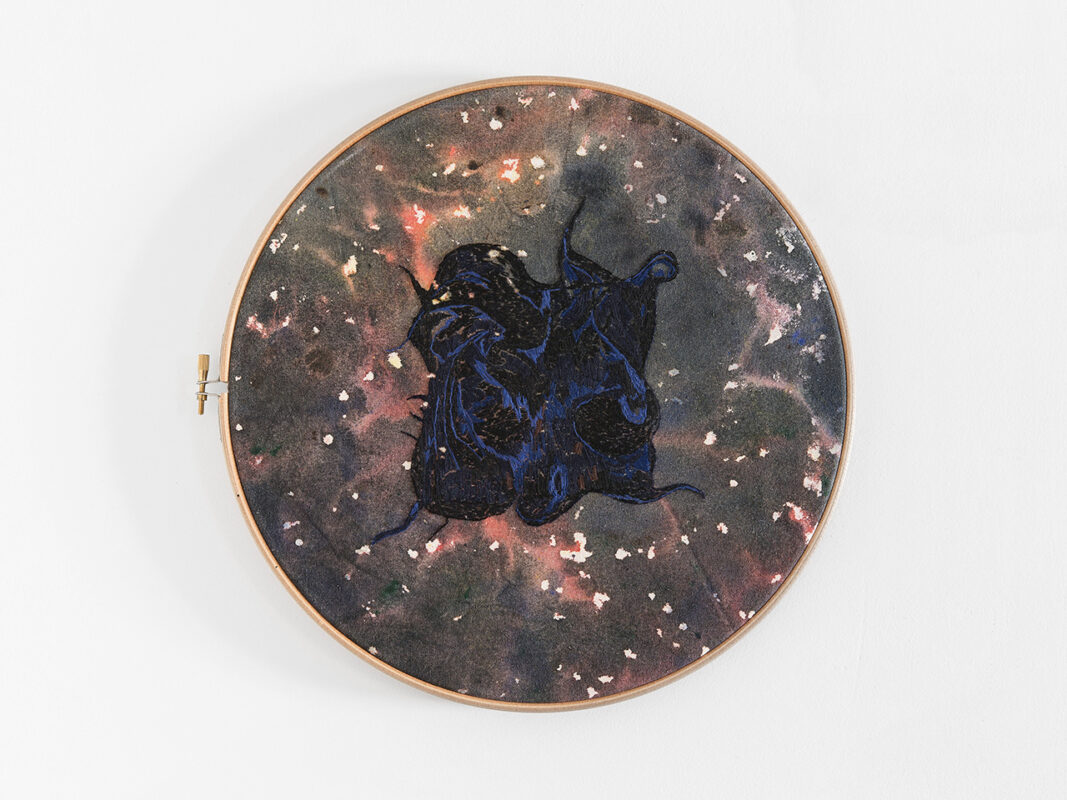
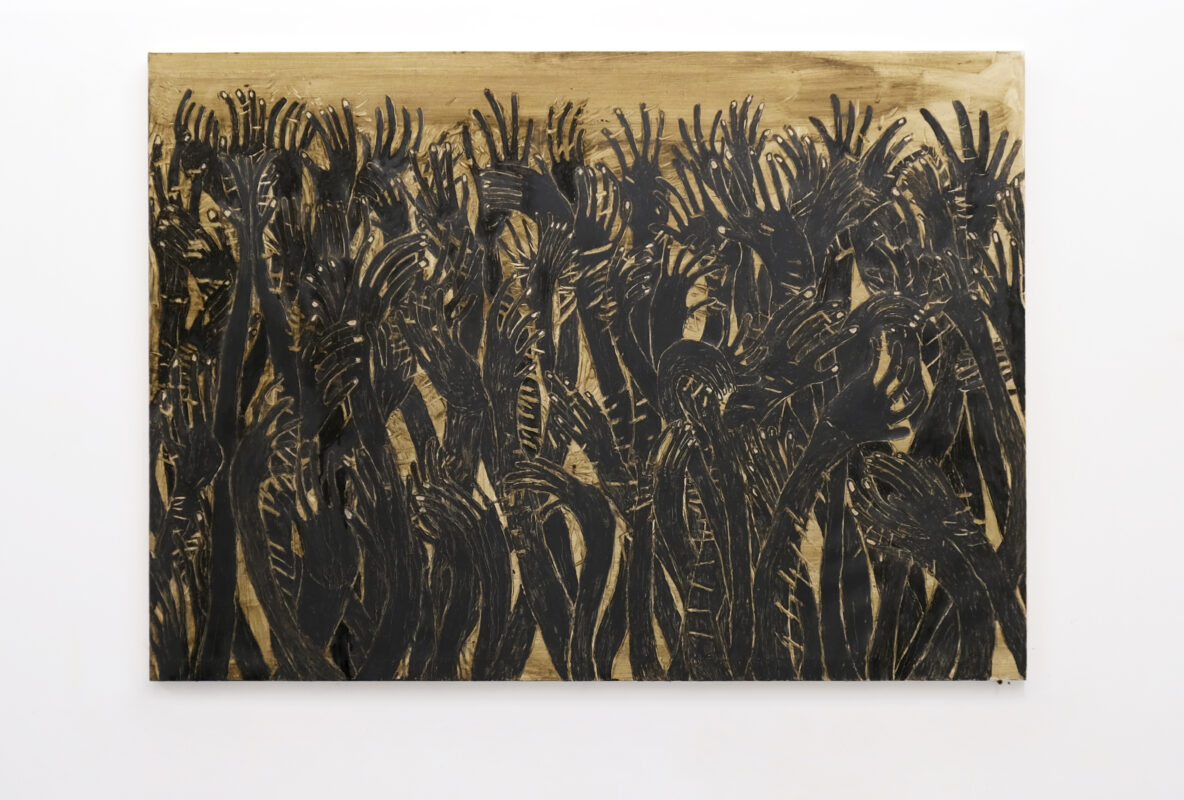
The minus sign is central to my work because, for me, it represents the basis of all myreflections. It encompasses many symbols and meanings: it allows me to retrace memories, evoke absent recollections and stimulate the birth of new thoughts about the objects and subjects that mark our lives. It is subtraction, it is minus, it is micro; it is a particle that vibrates in electronics and a line that crosses geometry. I have always been fascinated by its dual nature, both in a literal and scientific sense: the word minus. What surprises me most, however, is its profound symbolic value in the transcendental rituals of my tradition. Inevitably, this sign has gradually entered my research, occupying an almost electronic role: that of a constituent element, a fundamental building block of all matter.
- Colour and Layering
Your canvases display intense colours and complex layering. How do you choose your colours? Are they linked to places, memories or symbols?
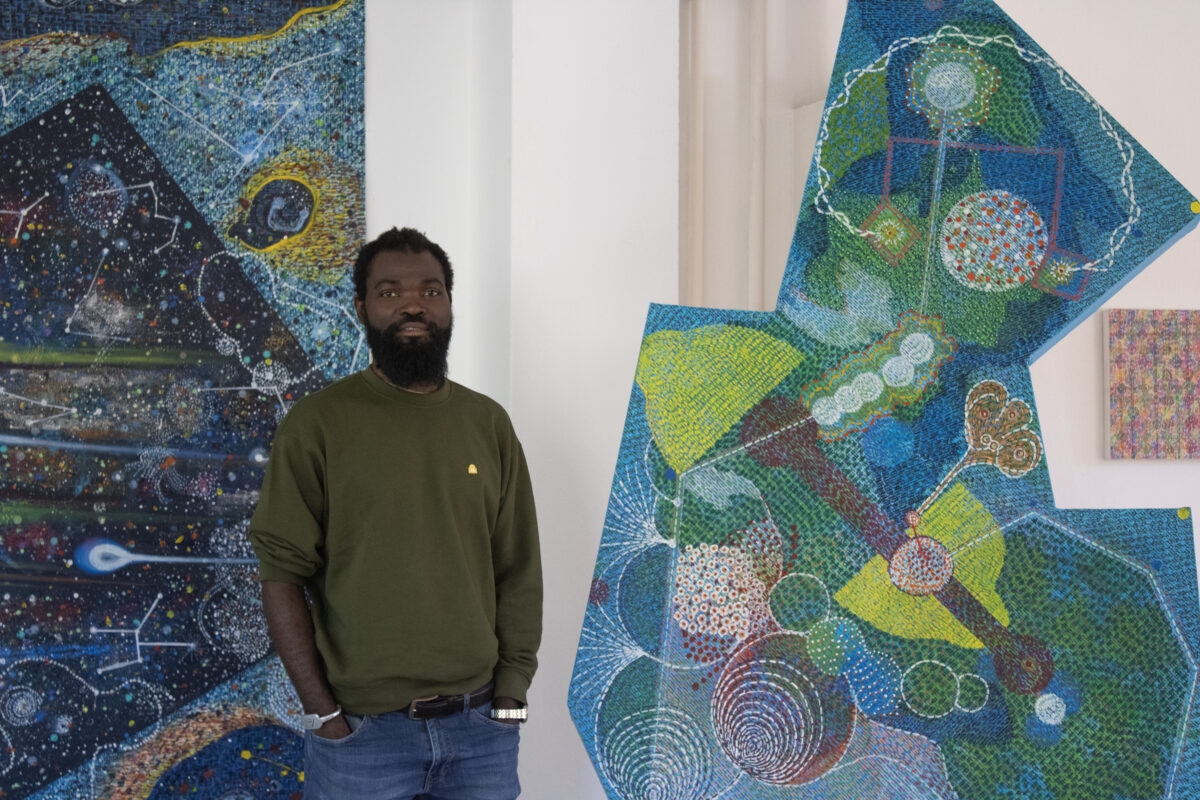
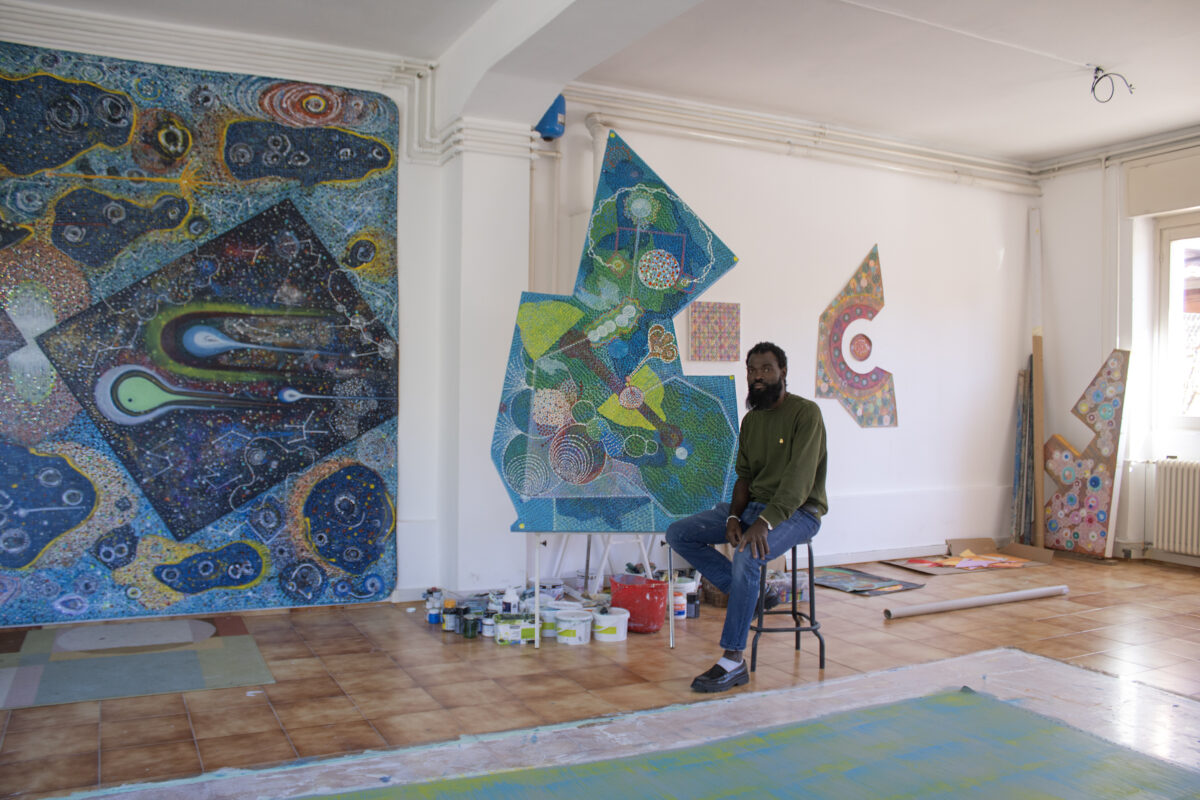
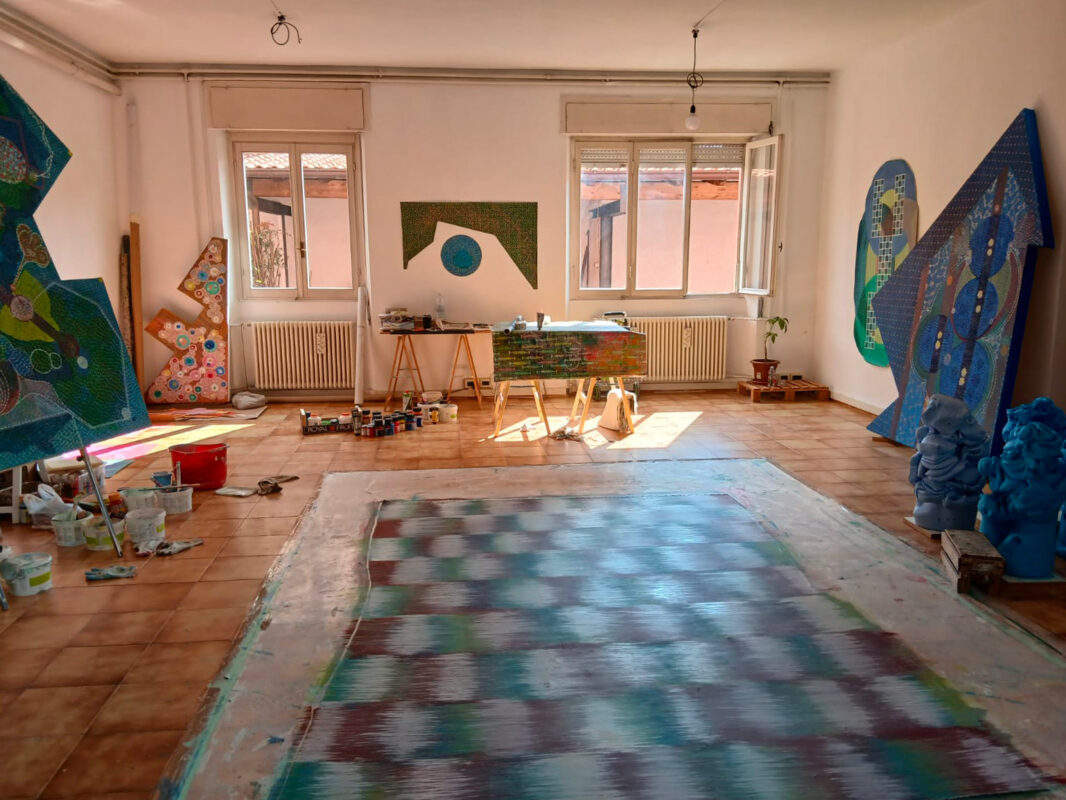
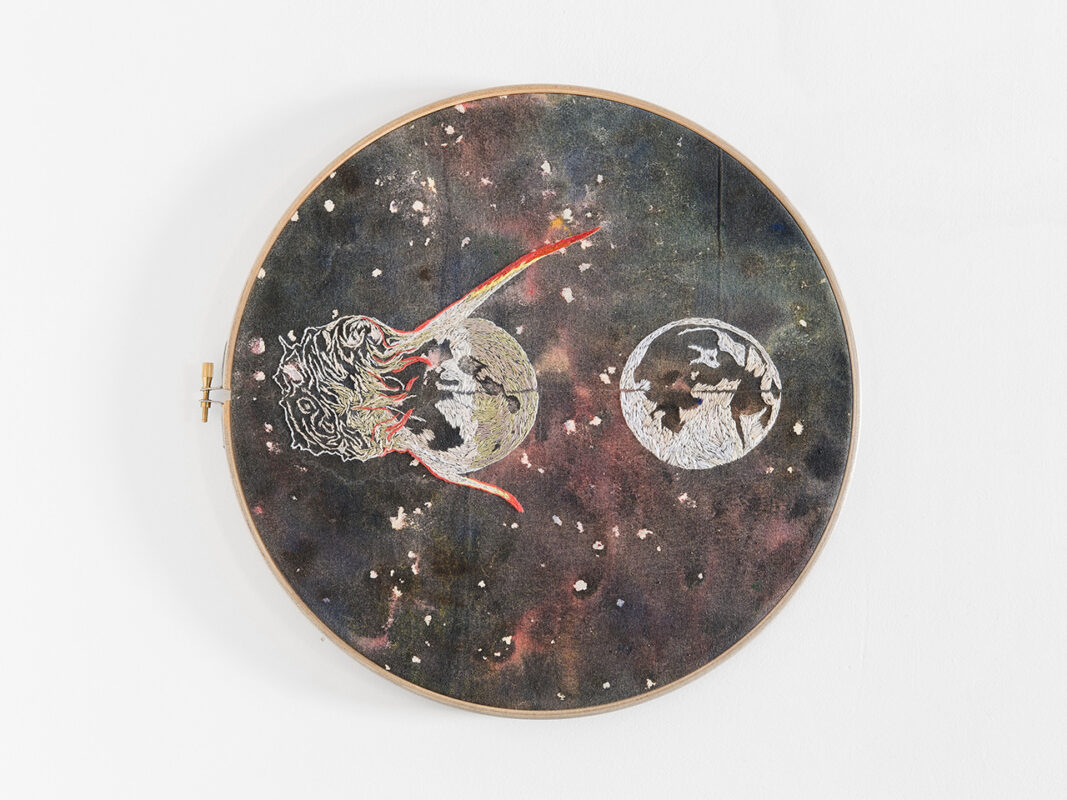
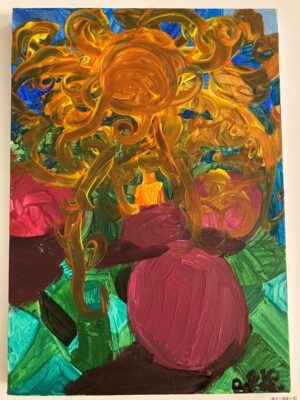
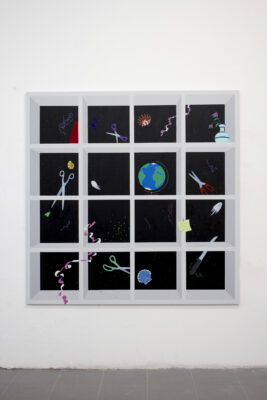
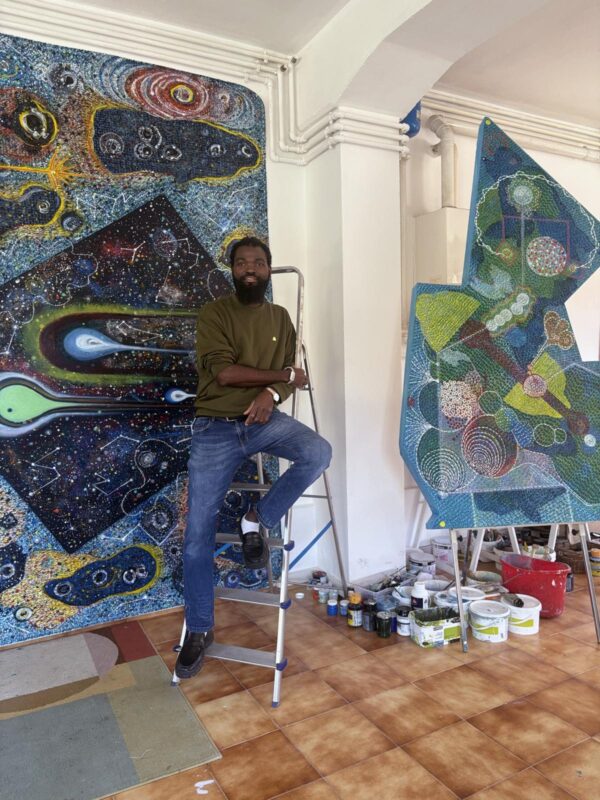
We know we live in a complex world, where many things seem meaningless. We constantly ask ourselves questions about our existence: where we are, what role we play on this planet. Trying to understand all this leads us to superimpose millions of concepts to give shape and colour to our lives. The stratification of colours, shapes and symbols is part of the chaos that surrounds us. I never stop to think about which colour to choose: I let them emerge and proceed, entrusting the unconscious with the task of introducing information and concepts that transform my pictorial field into a space of play, made of energy and matter. Today, thanks to science and quantum mechanics, we know that we are part of a holistic system. This is why I am interested in structuring my work around distant places, collective memory and my inner self. Often, in the void, I portray hidden forms to give an interpretation to everything around me.
- Two Cultures, One Language
Your training in Togo and your experience in Italy coexist in your practice. How do these two cultures intertwine in your visual language?
During my intense period of artistic training, I was fortunate enough to leave my country and arrive in Italy: a destination that inspired and shaped my entire current career path. From the very beginning, I frequented art museums, attended openings, visited exhibitions, fairs and biennials. I observed numerous artistic languages and different aesthetics of art; over time, the influence of everything I saw began to profoundly transform my research. It was a very important step for my art: the artistic background I already had in my country of origin, Togo, began to mature, and I was able to delve deep into my past works, rediscovering that minus sign I often used and which continues to reappear in my works. That sign became a common thread, the pattern that shaped my journey, making space for itself and appearing strongly in my new works.
- Inner Maps
In your solo exhibition Patrimoine Géo-métré at Nashira Gallery, you constructed an imagined geography between memory, territory and symbol. How did this landscape come about and what kind of experience did you want to evoke?
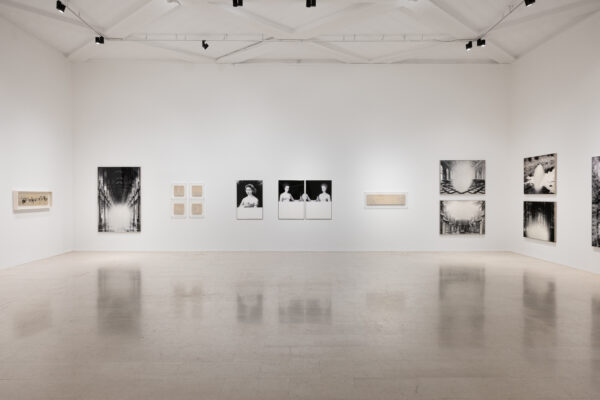
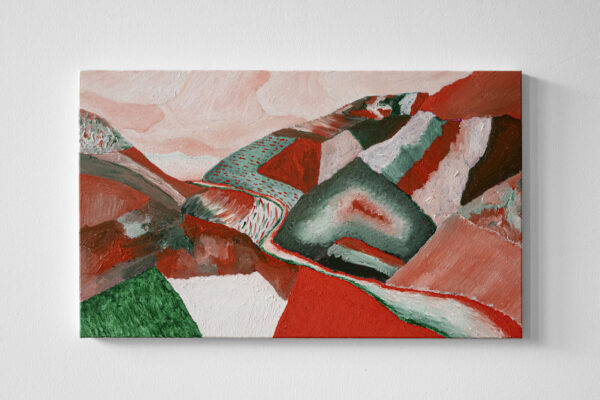
The Patrimoine Géo-métré exhibition at Nashira Gallery was one of the most beautiful exhibition experiences I have had in Milan in recent years. There, I had the time to carefully prepare and reflect deeply on the space and the project, finding a sublime moment to present an installation linked to my research. In that exhibition, I sought to evoke the geography, geology and, in a certain sense, even the geometry of the territories. In my artistic production, I wanted to bring out with subtle poetry the political and geopolitical landscape of Africa, its critical areas and the tensions that run through it. I also constructed a narrative on the archaeological situation – too often forgotten – which I consider a fundamental mirror for defining the territory and memory of the continent. The idea for that exhibition arose from the need to recount the political complexity of Africa not in a brutal way, but through colours of joy and poetry.
- New Trajectories
How do you envision the evolution of your research in the coming years? Are there new territories you wish to explore, visually or conceptually?
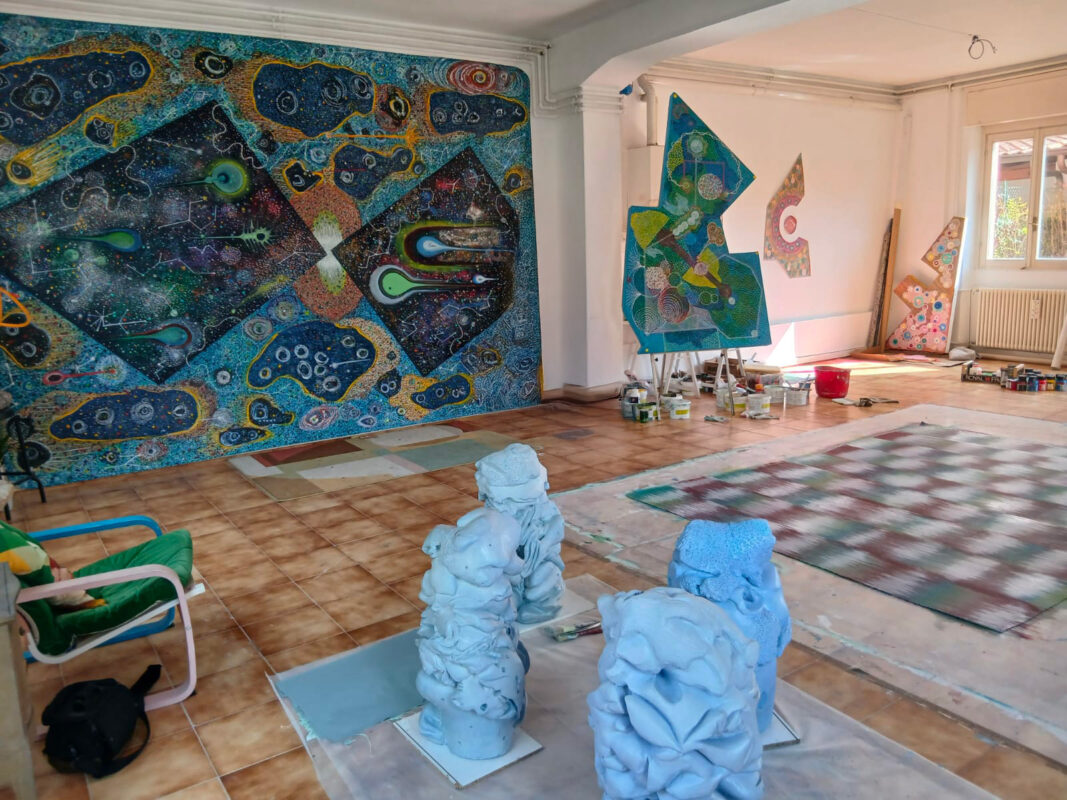
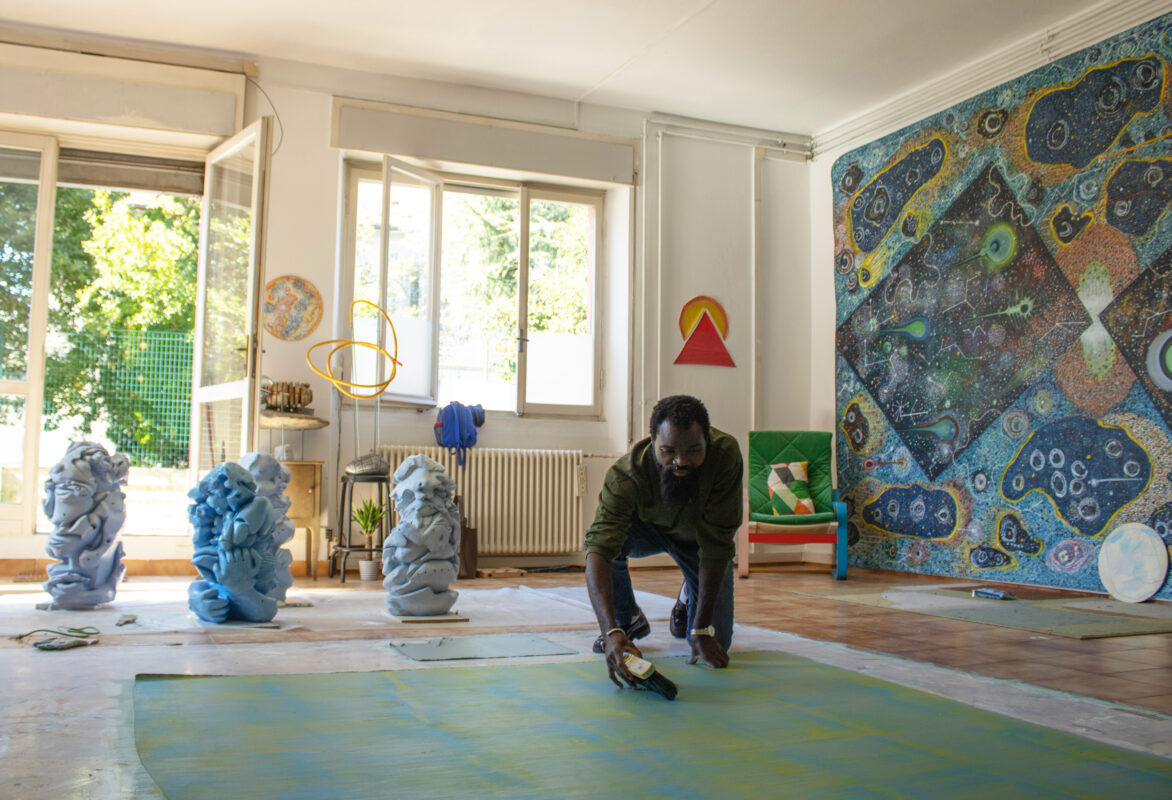
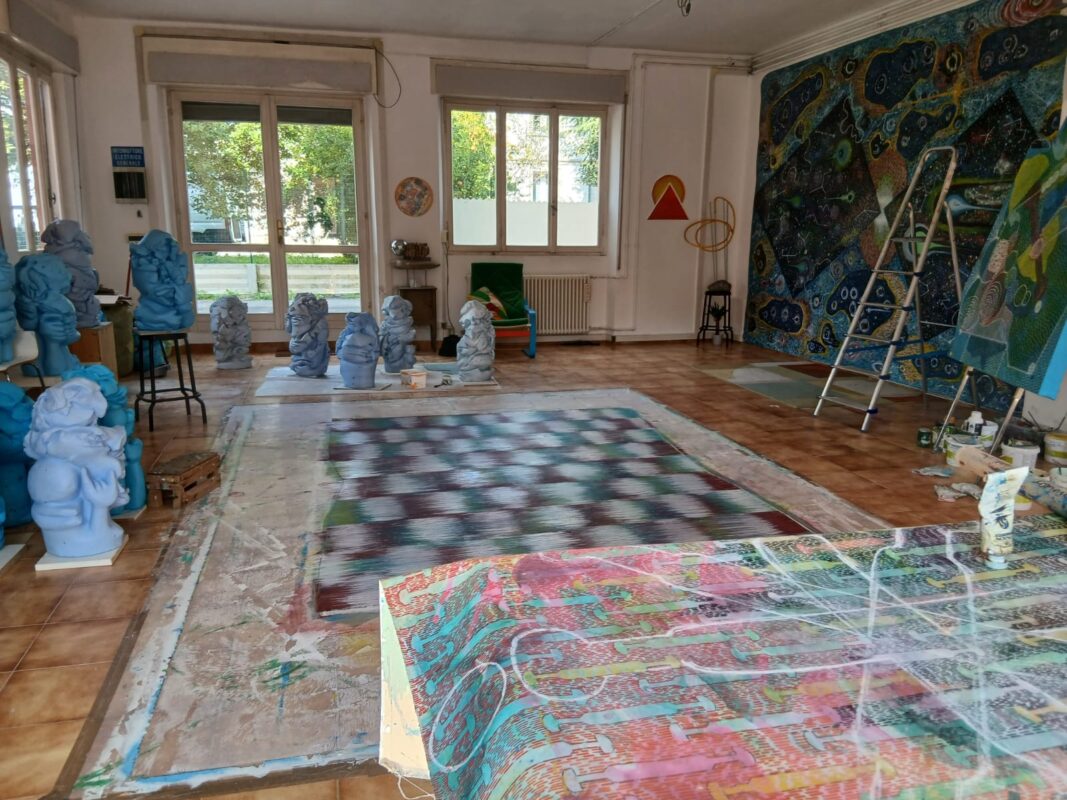
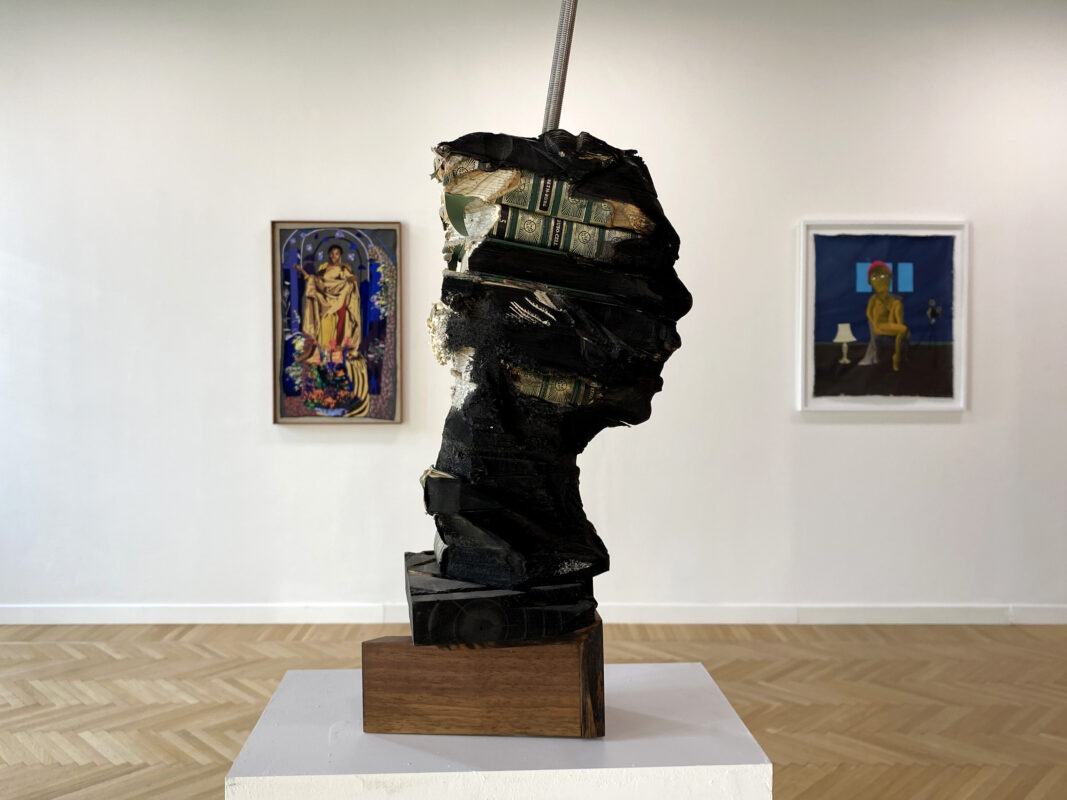
I appreciate the fact that art is dynamic, even when the distances between artists seem immense. I always find it stimulating to inscribe myself in contemporary history with measured and conscious steps. I try not to get carried away by current trends, letting the evolution of my research flow like a river towards the ocean, with the certainty that in the future it will reach major institutional spaces: museums, foundations, private collections. On my journey, I wish to revisit and explore sculpture, investigate the paths of experimental photography and, above all, deepen the links between art, science and metaphysics.